Air conditioning for every kind of property
Every building is different: a top-floor flat, a loft conversion, an office or a restaurant kitchen. Pick yours to see what works, what it costs and what to check first.
All pages
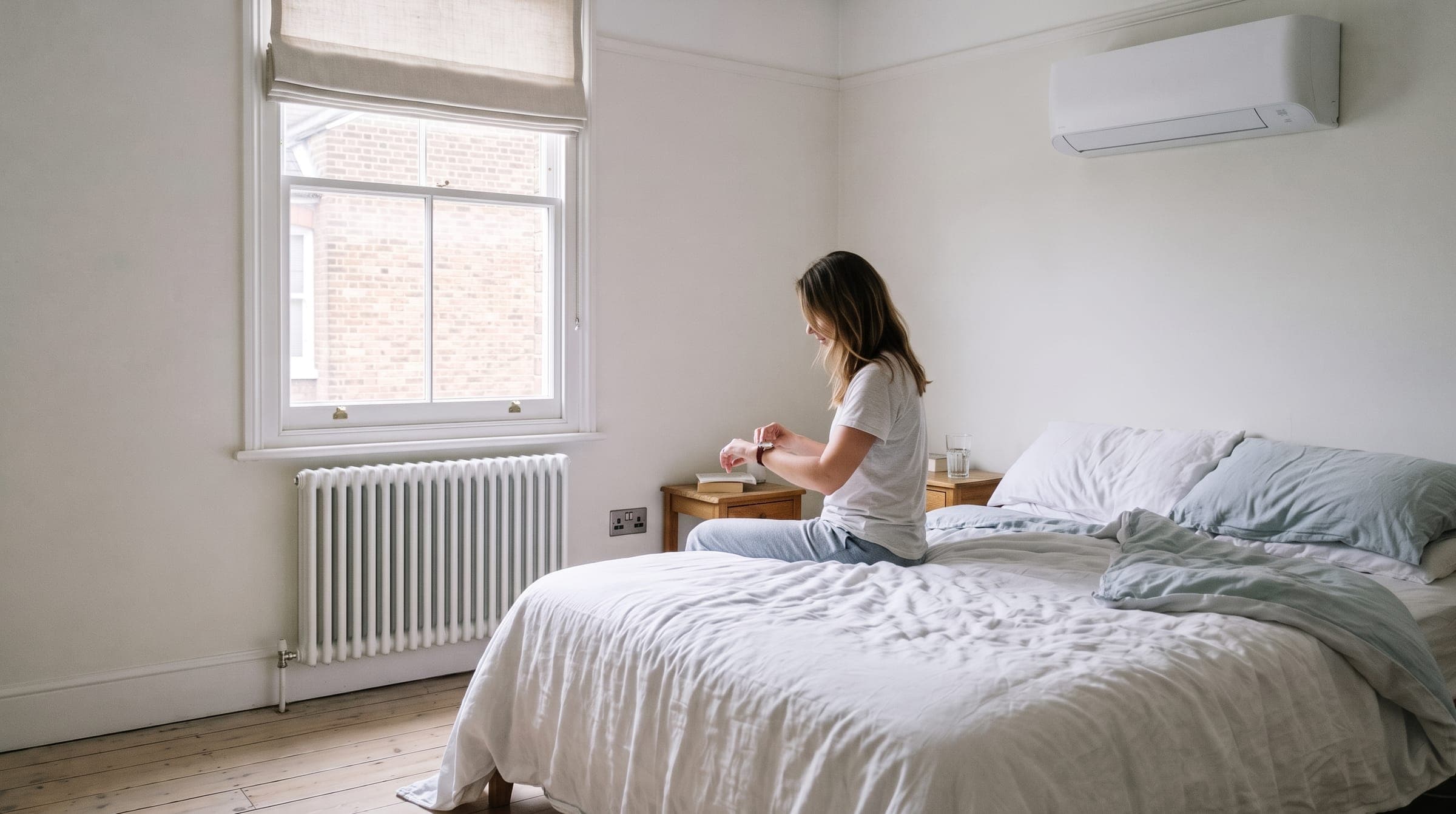
Bedrooms
Air conditioning units for bedrooms, as quiet as 19 dB(A), sized for the room and placed so the air never blows on the bed. From £1,850.
Read more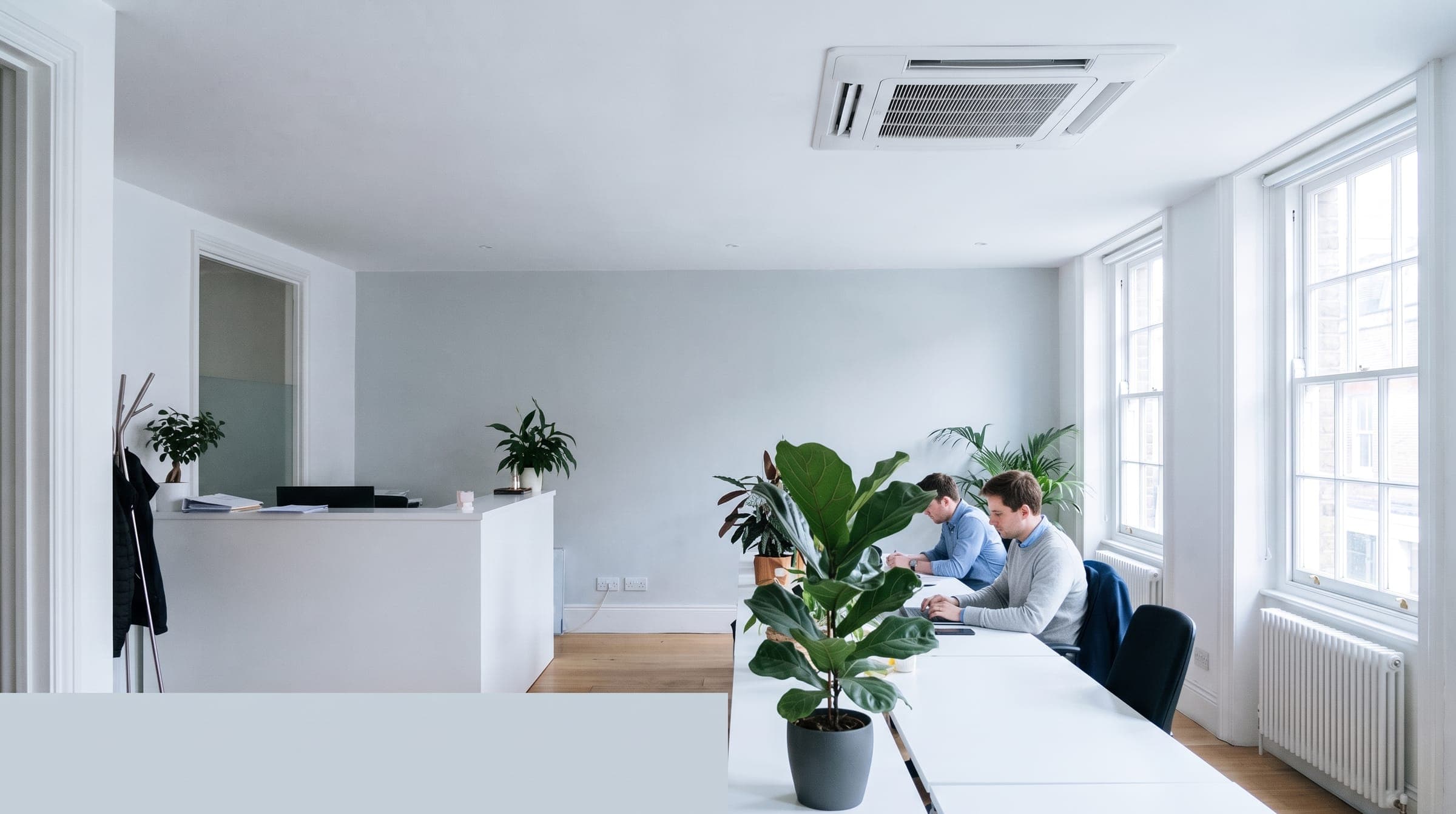
Commercial
Commercial air conditioning in London and the Home Counties: wall units, cassettes, ducted and VRF for offices, shops and restaurants. From £1,795.
Read more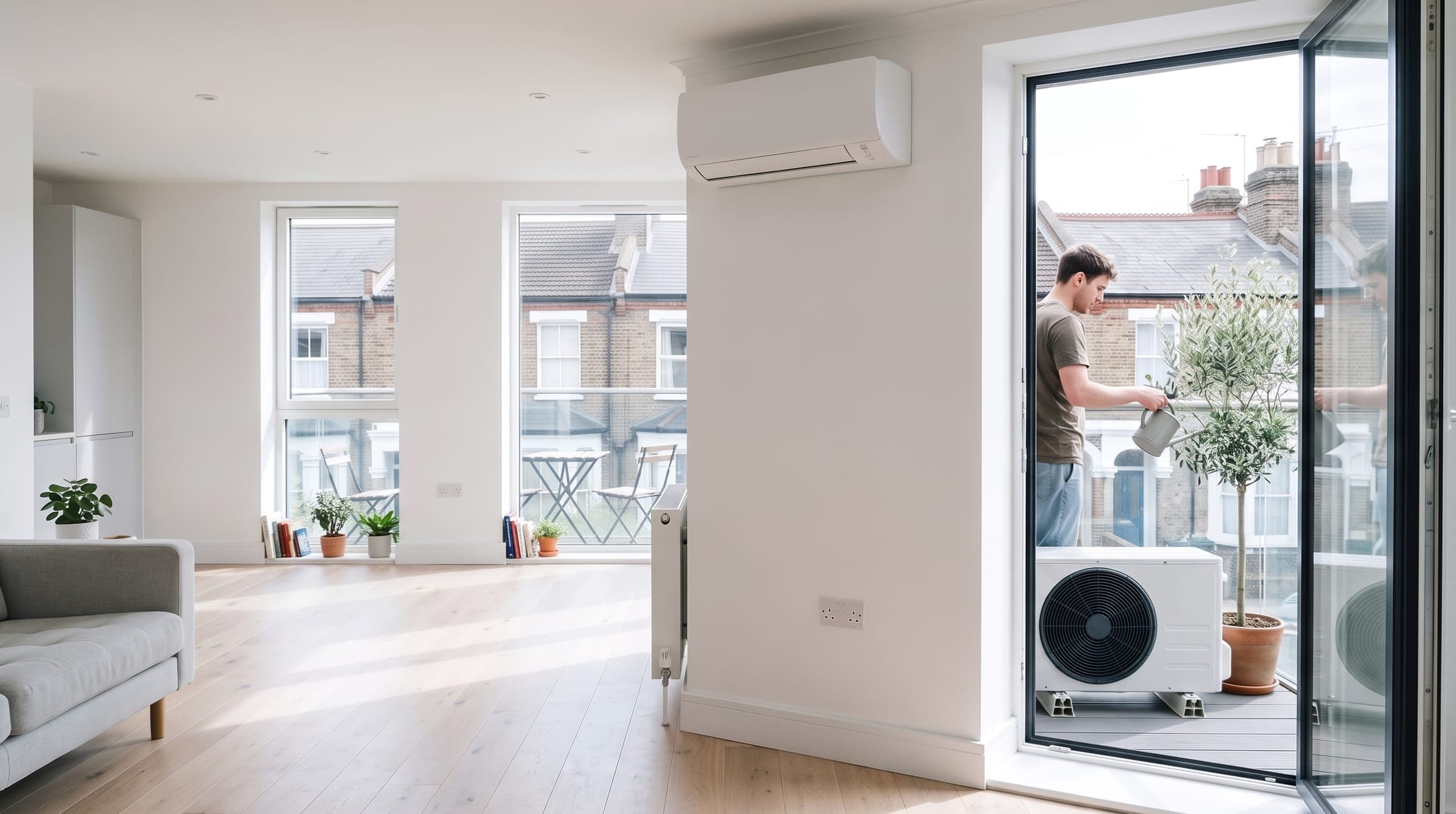
Flats
Air conditioning for flats in London and the Home Counties: conversions, mansion blocks, new-builds and ex-council. Help with freeholder consent.
Read more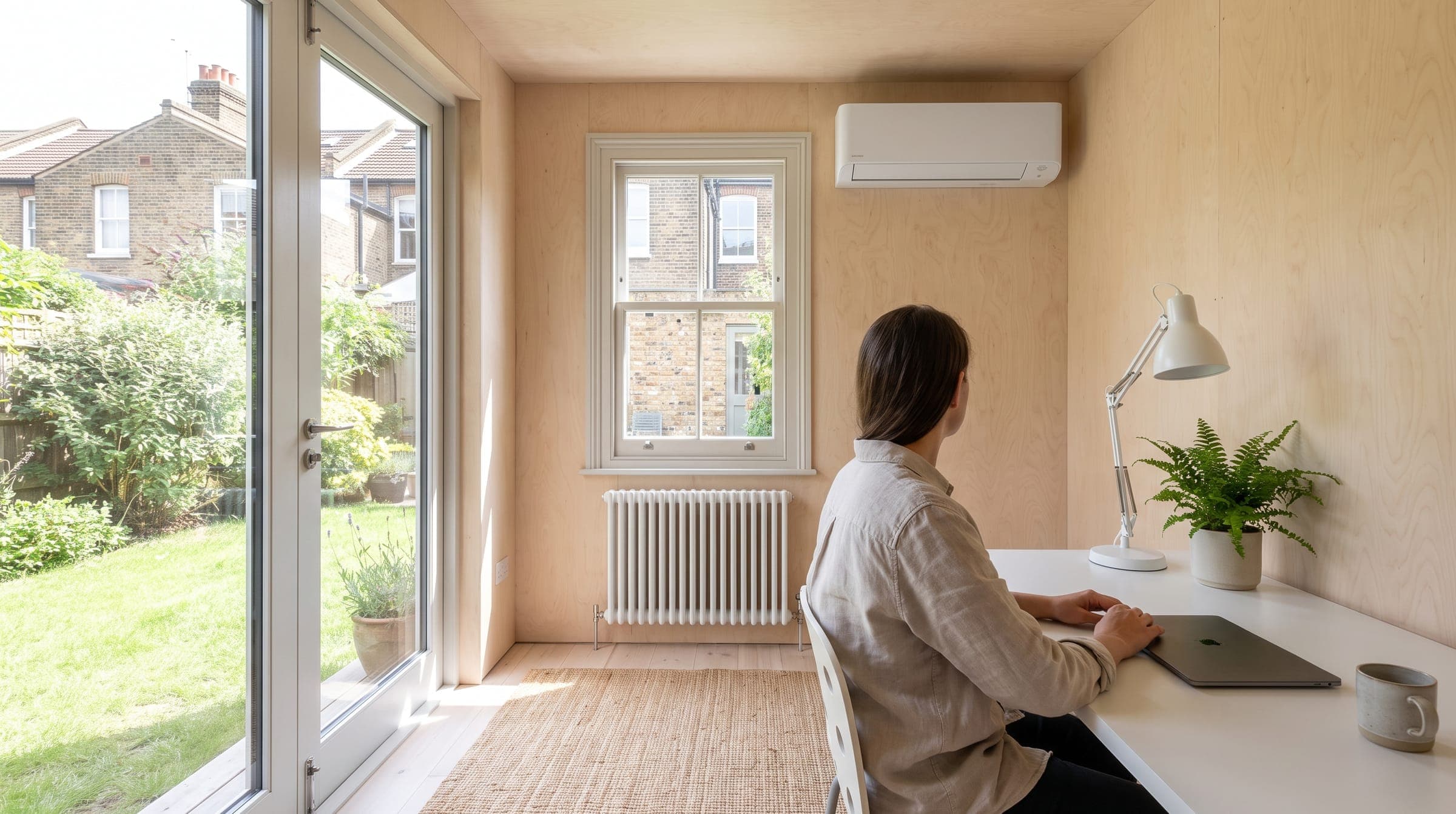
Garden rooms
Air conditioning for garden offices and studios in London and the Home Counties: power, insulation, small wall units and planning. From £1,850.
Read more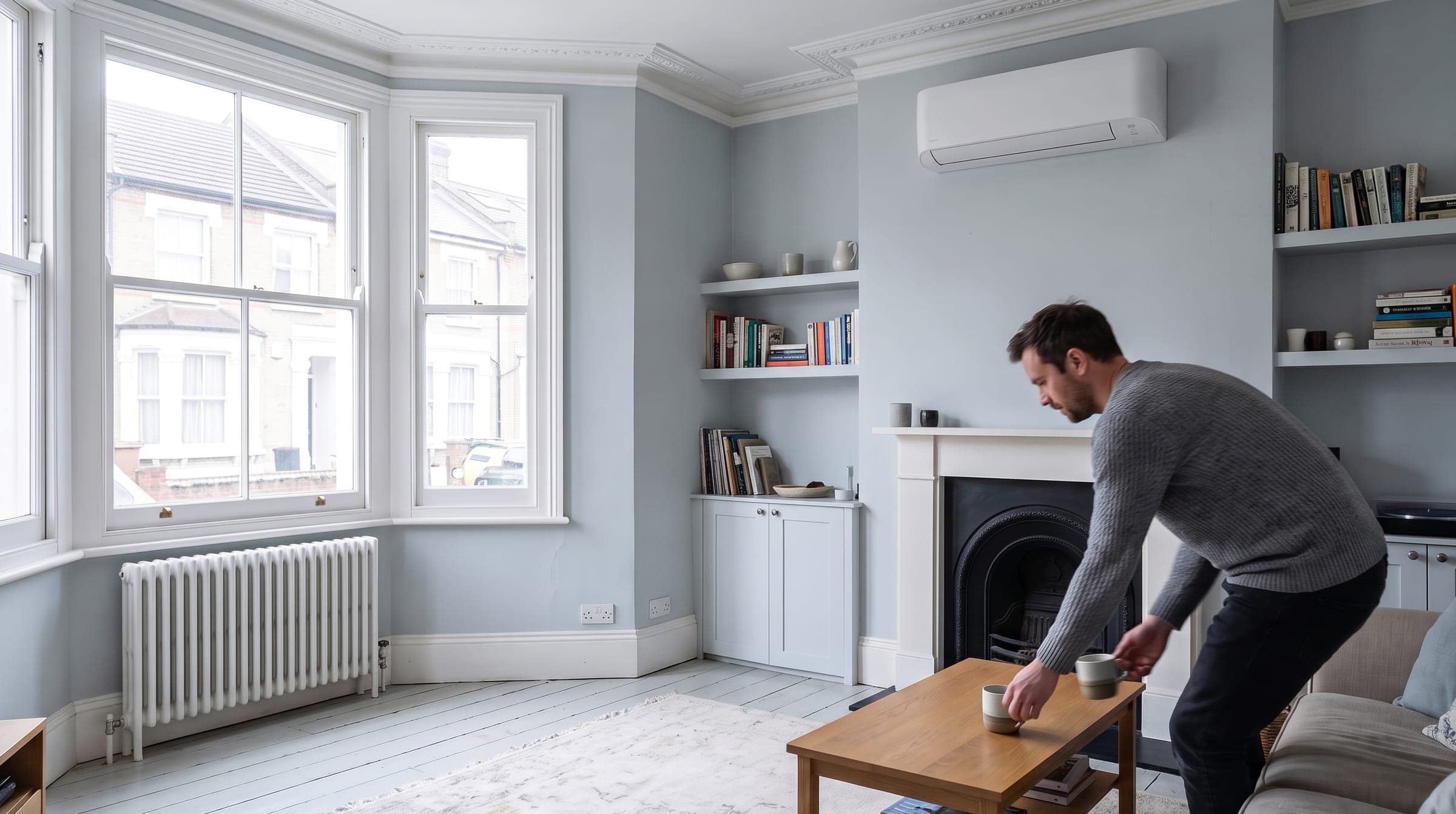
Homes
Air conditioning units for houses: terraces, semis and period homes in London and the Home Counties. Heats too, fitted in a day. From £1,850.
Read more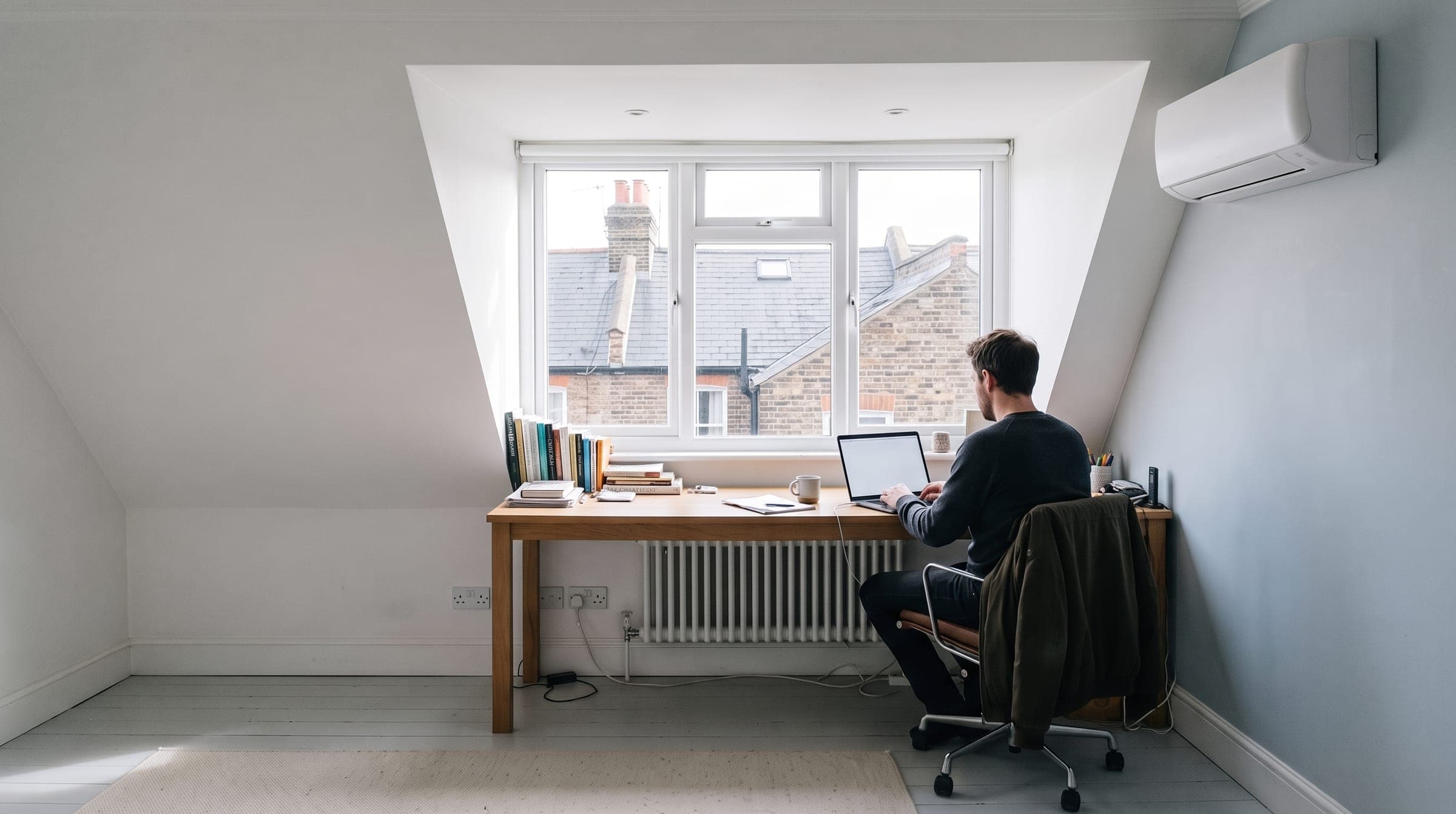
Loft conversions
Air conditioning for hot loft conversions: units for sloped, dormer, mansard and gable lofts, pipe routes and first-fix timing. 5 kW from £2,450.
Read more
Offices
Air conditioning for small offices and studios in London: wall units, cassettes or multi-split, with F-Gas and TM44 explained. From £1,795.
Read more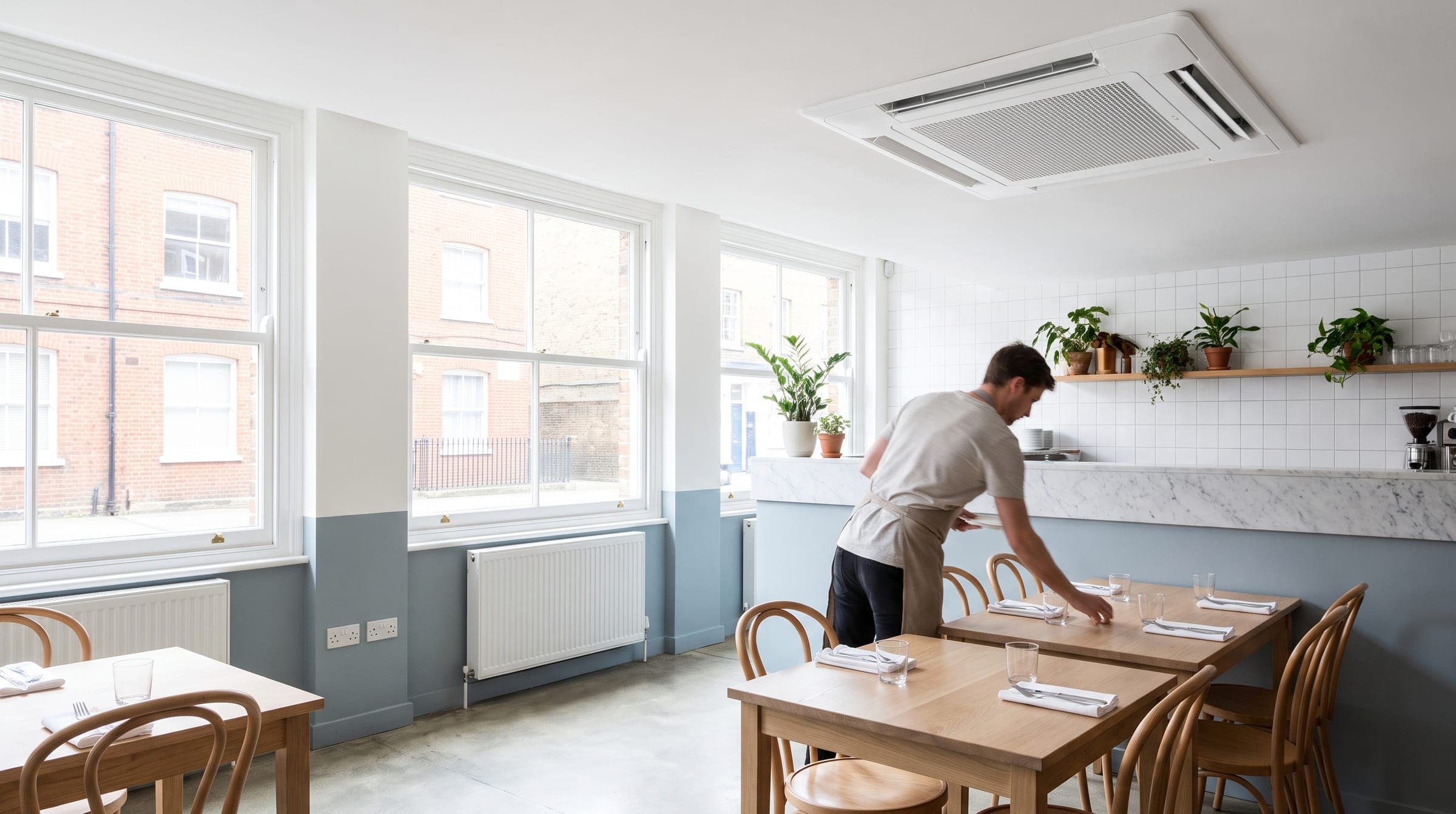
Restaurants
Restaurant and café air conditioning in London and the Home Counties: dining rooms, kitchen heat, grease, noise and planning. From £1,795.
Read more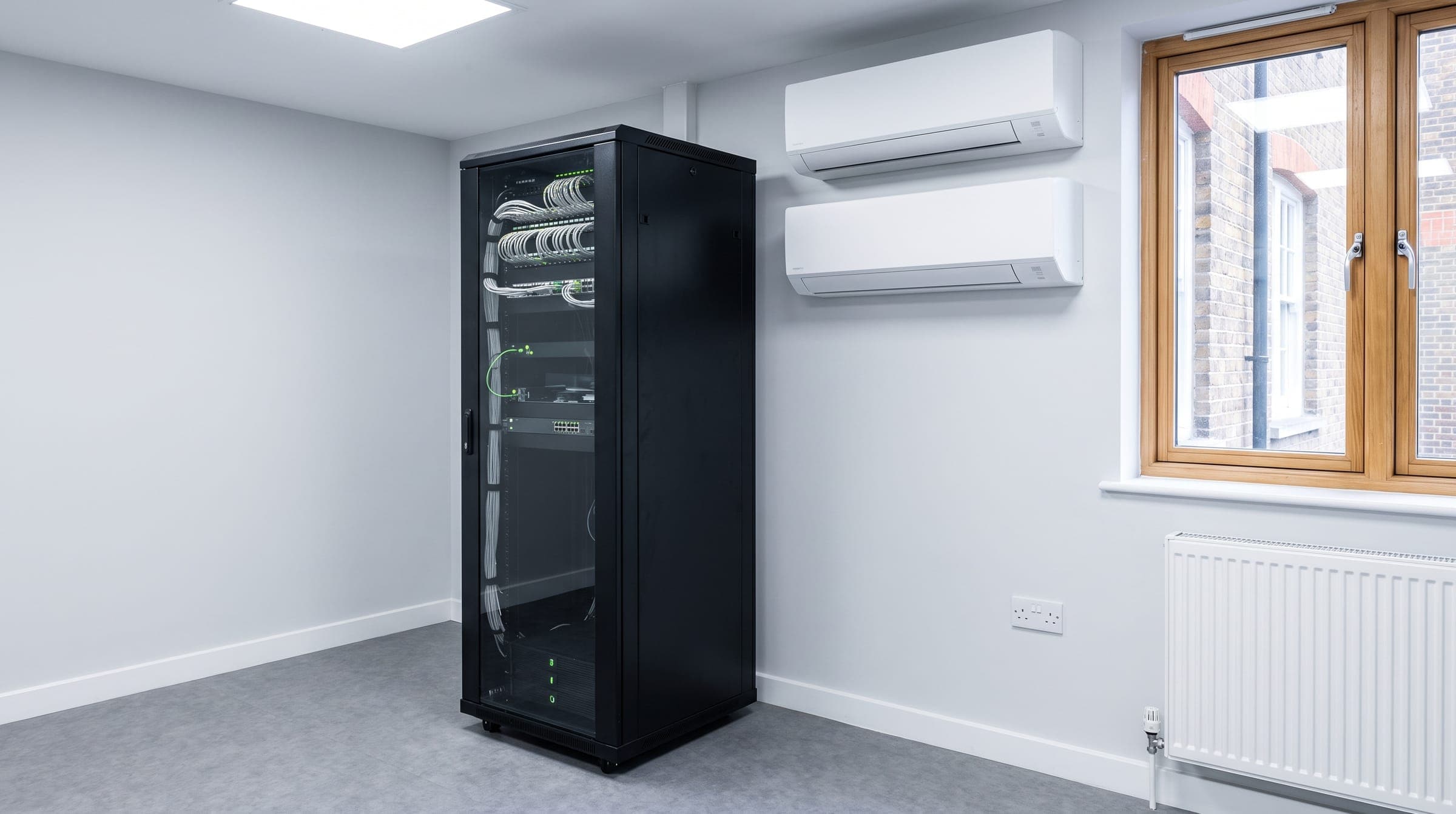
Server rooms
Server and comms room cooling in London and the Home Counties: sizing, N+1 standby units, duty rotation and alarms, explained. Quoted after survey.
Read more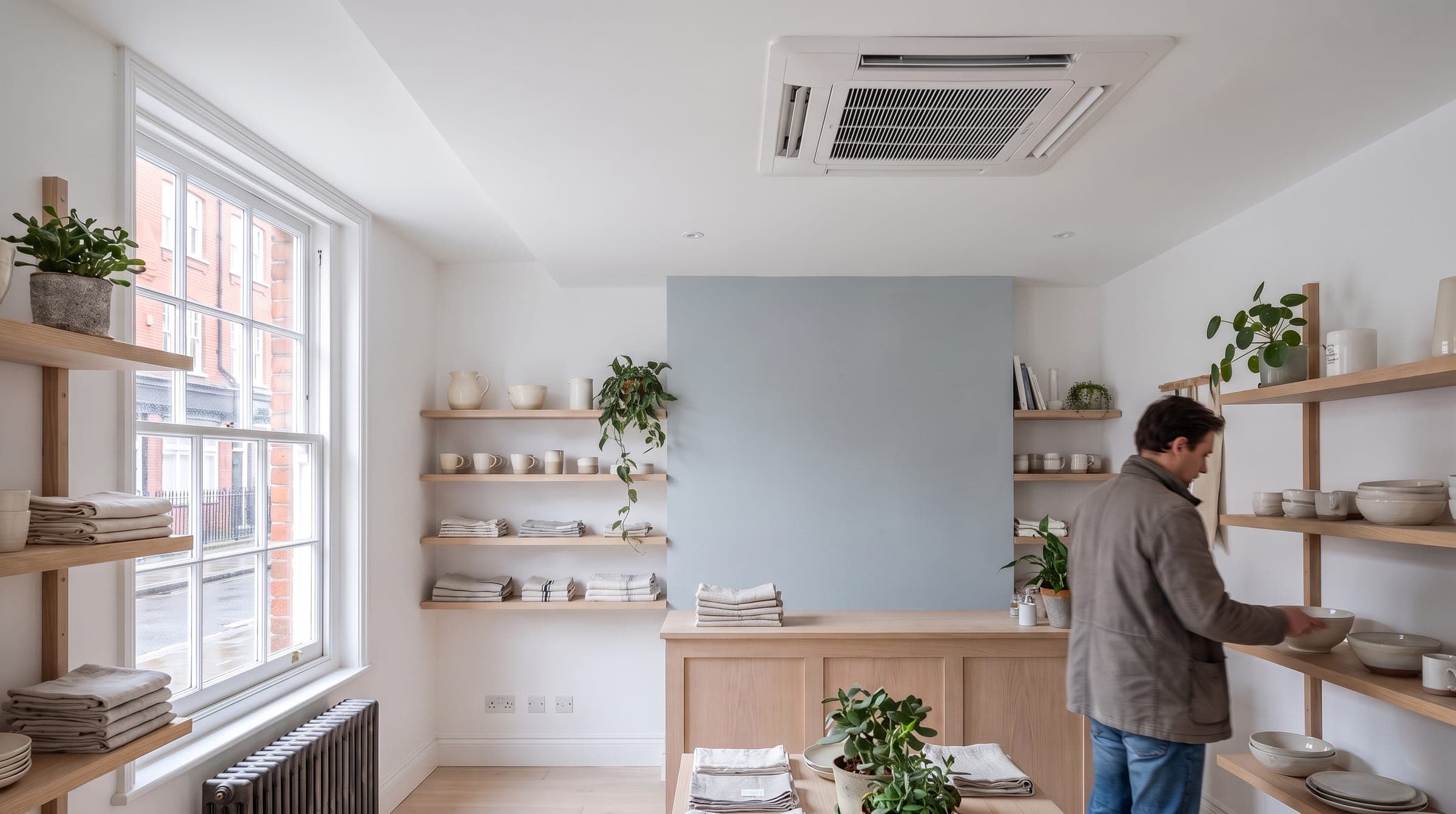
Shops
Air conditioning for shops and retail units in London and the Home Counties: cassettes, open doors, shopfront glass and installs that let you keep trading.
Read more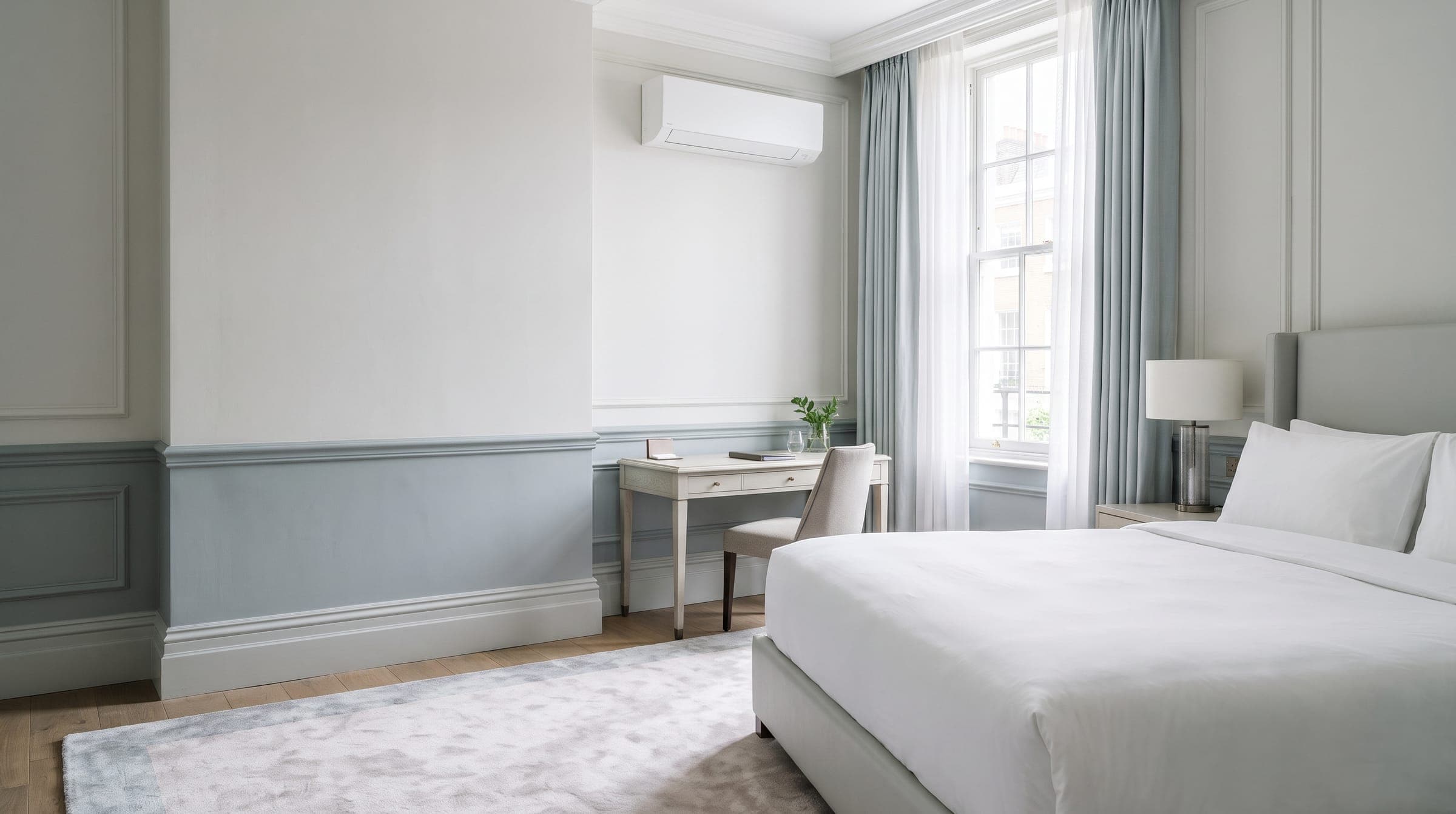
Hotels
Hotel air conditioning in London and the Home Counties: quiet guest rooms, lobbies, bars and function rooms, fitted floor by floor while you stay open.
Read more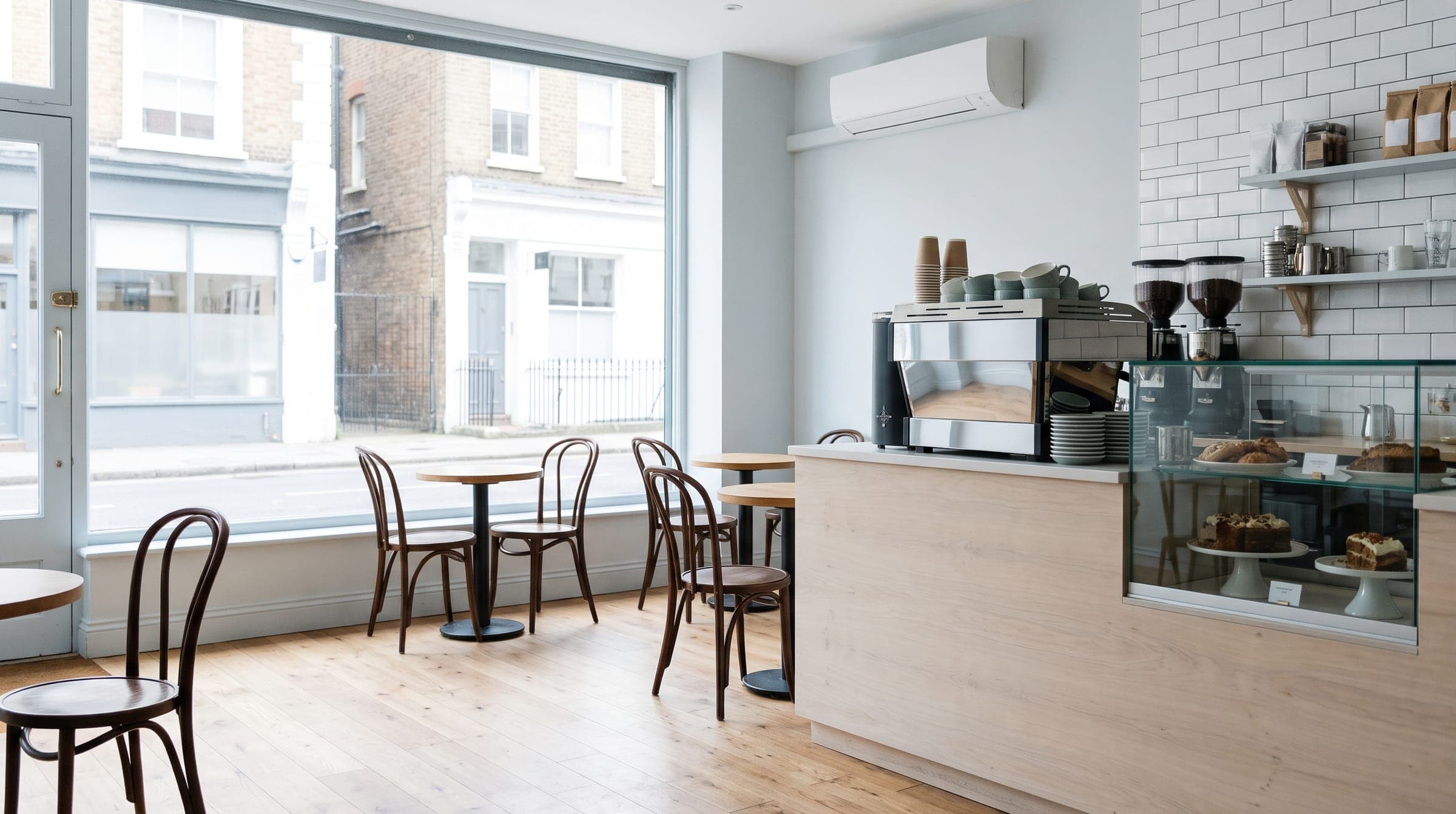
Cafés
Cafe and coffee shop air conditioning in London and the Home Counties: sized for espresso machines, ovens and open doors, fitted before you open.
Read more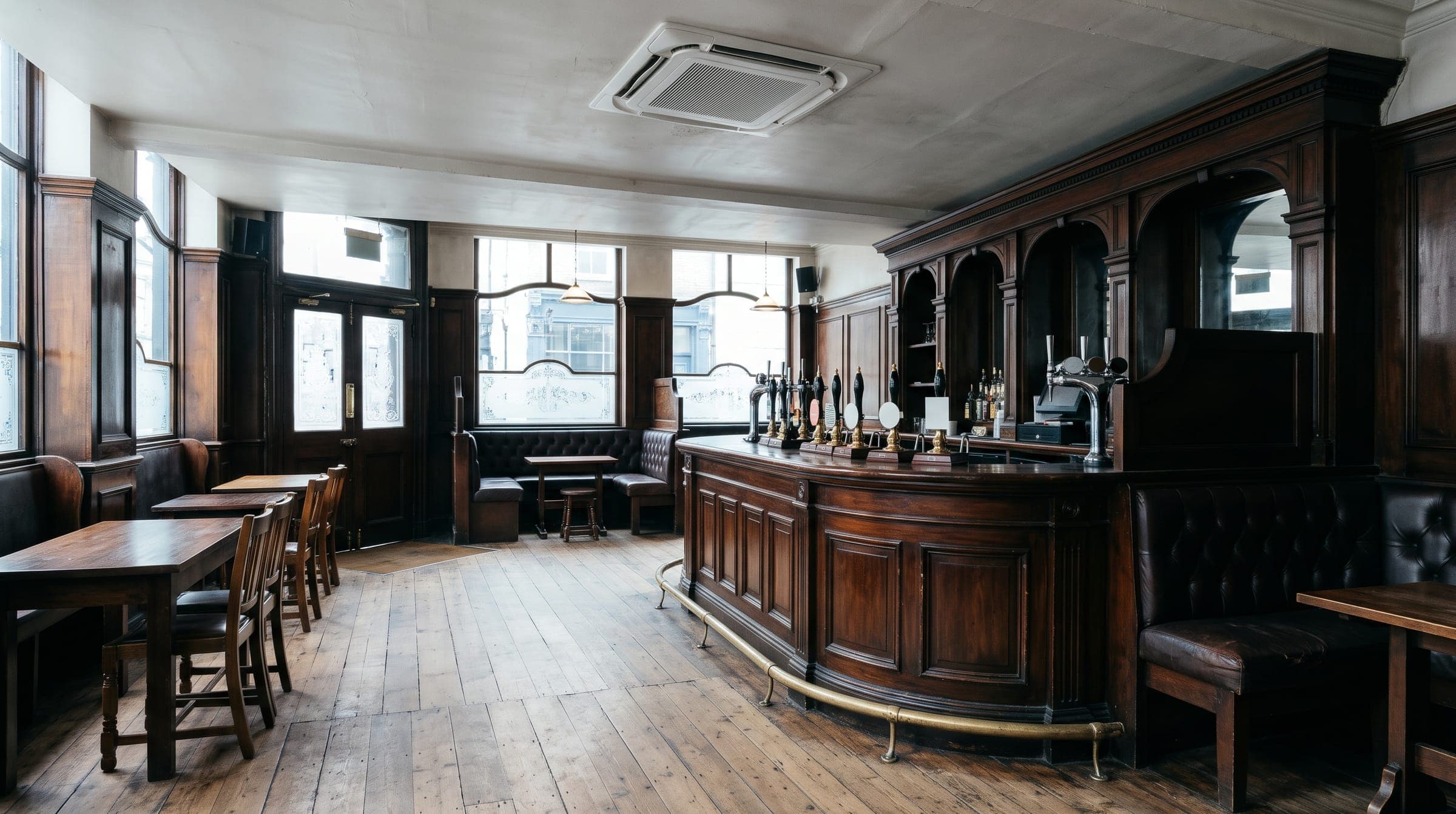
Pubs and bars
Pub and bar air conditioning in London and the Home Counties: busy bars, dining rooms, listed pubs and quiet outdoor units near homes.
Read more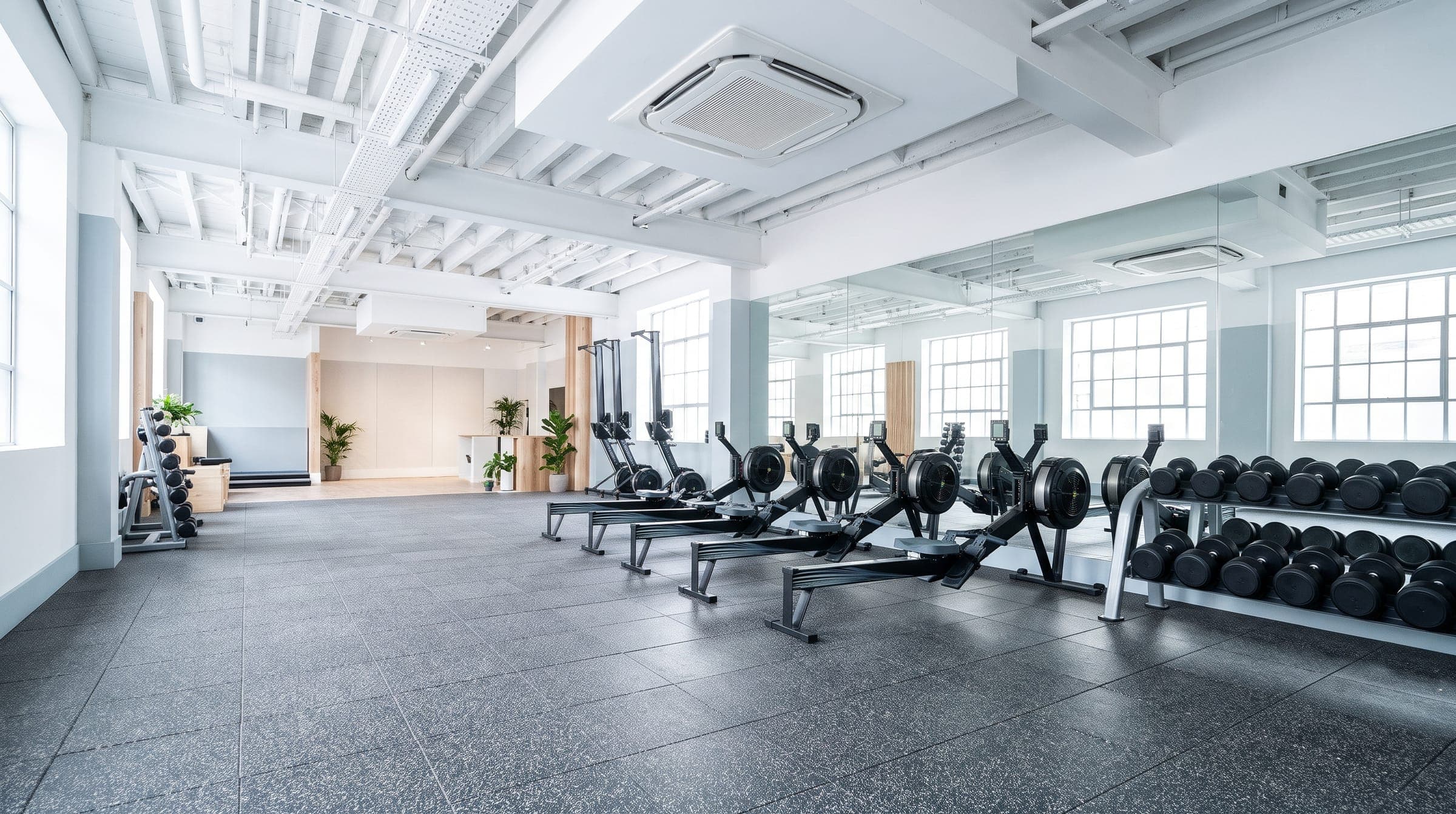
Gyms
Gym and fitness studio air conditioning in London and the Home Counties: sized for people exercising, with fresh air and hot yoga explained.
Read more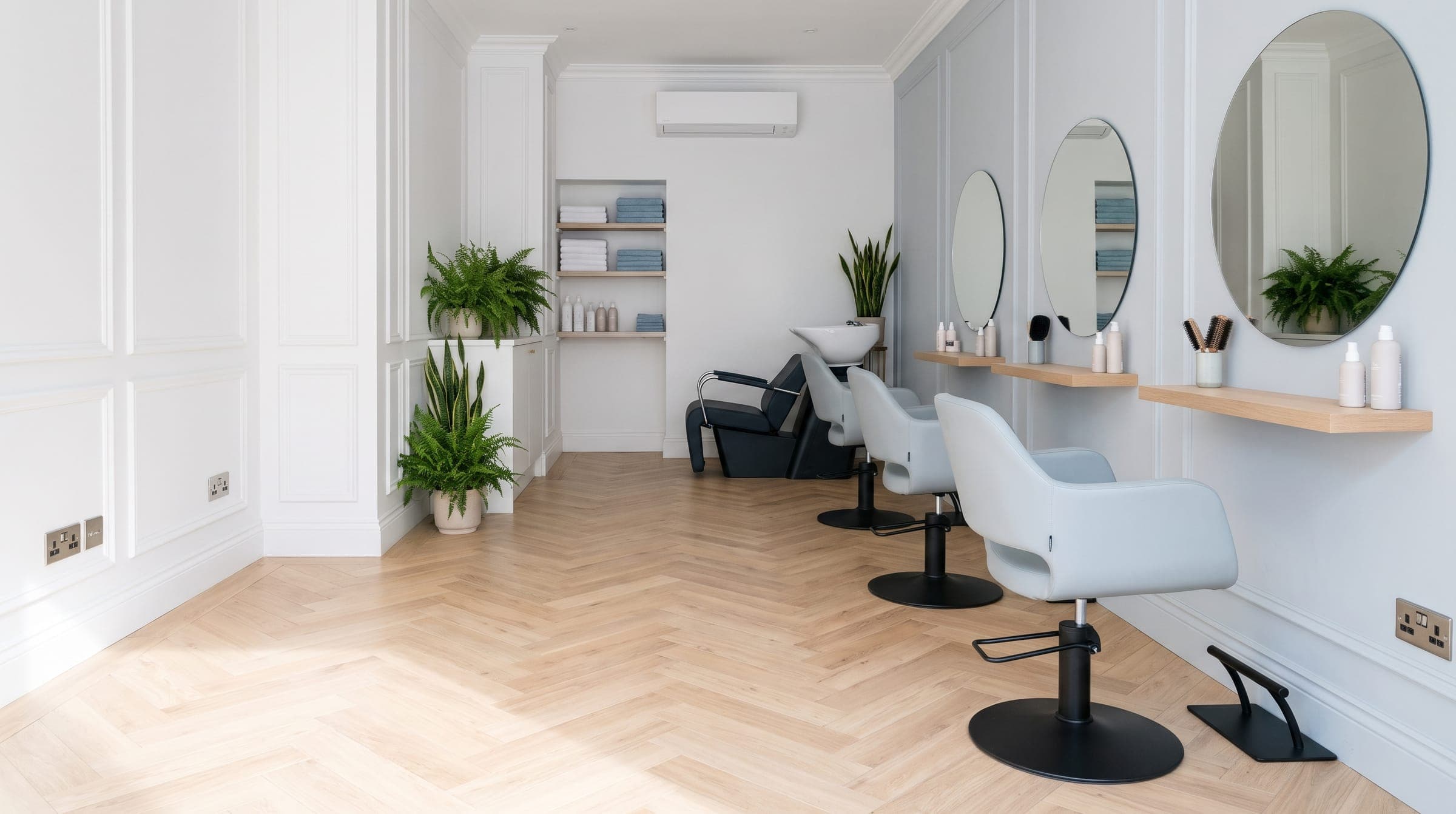
Salons and barbers
Salon air conditioning for hair salons, barber shops and nail salons in London and the Home Counties: dryer heat, fumes, quiet units and landlord consent.
Read more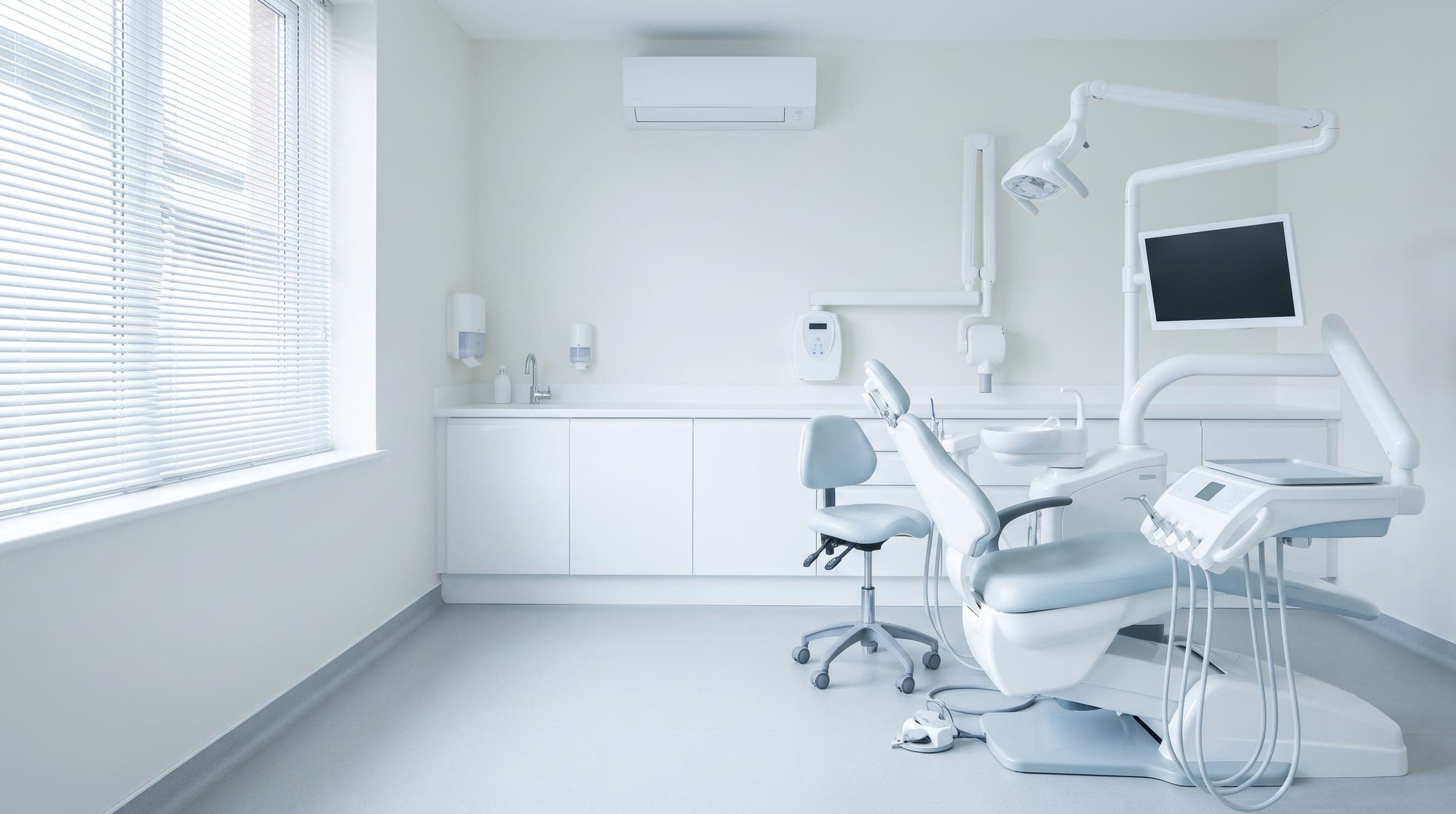
Clinics and dental surgeries
Air conditioning for dental surgeries, GP surgeries and clinics in London and the Home Counties: HTM 03-01, CQC premises rules, cleanable units.
Read more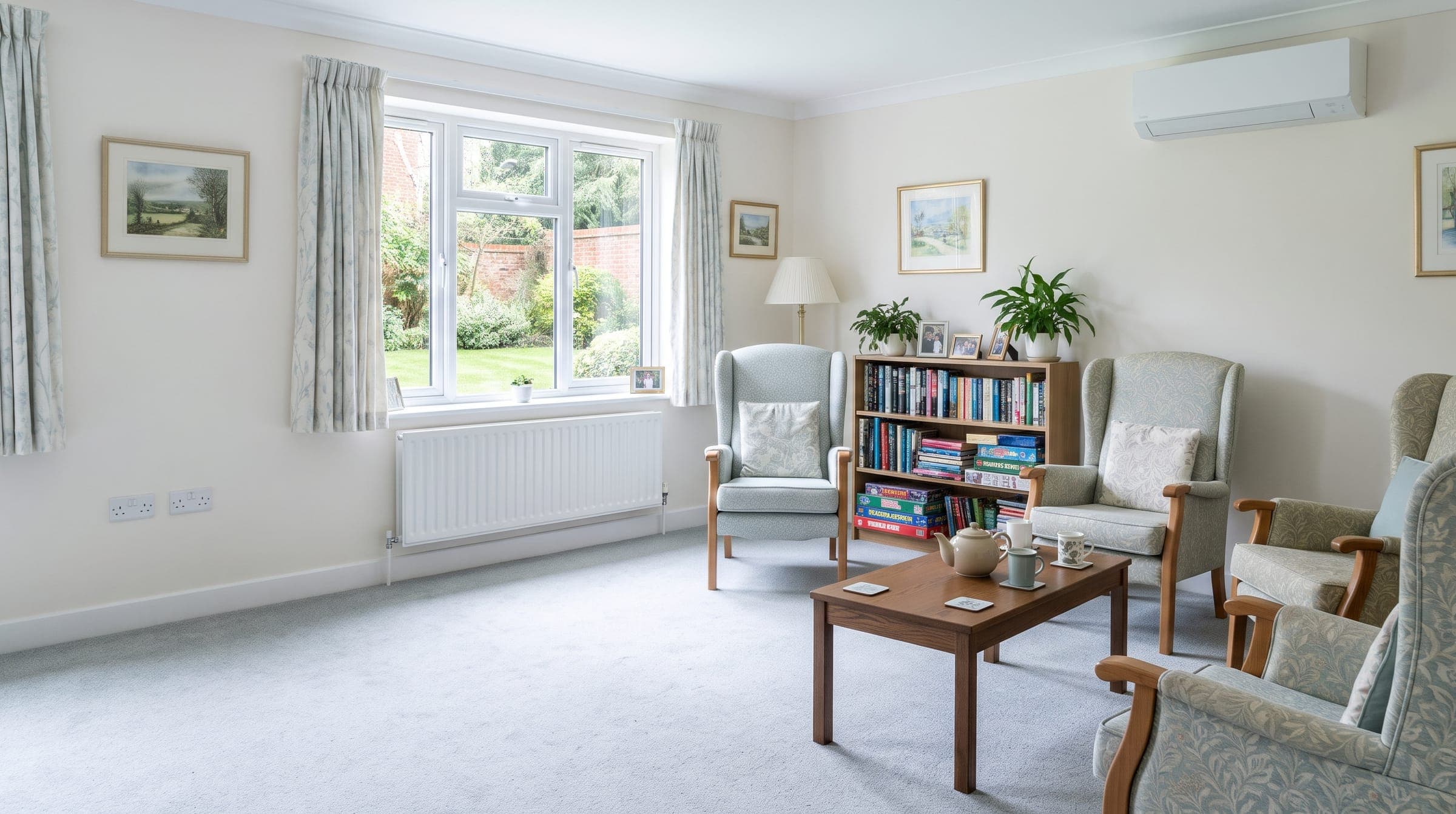
Care homes
Care home air conditioning in London and the Home Counties: cool rooms below 26°C as UKHSA advises, quiet bedroom units, safe controls and phased installs.
Read more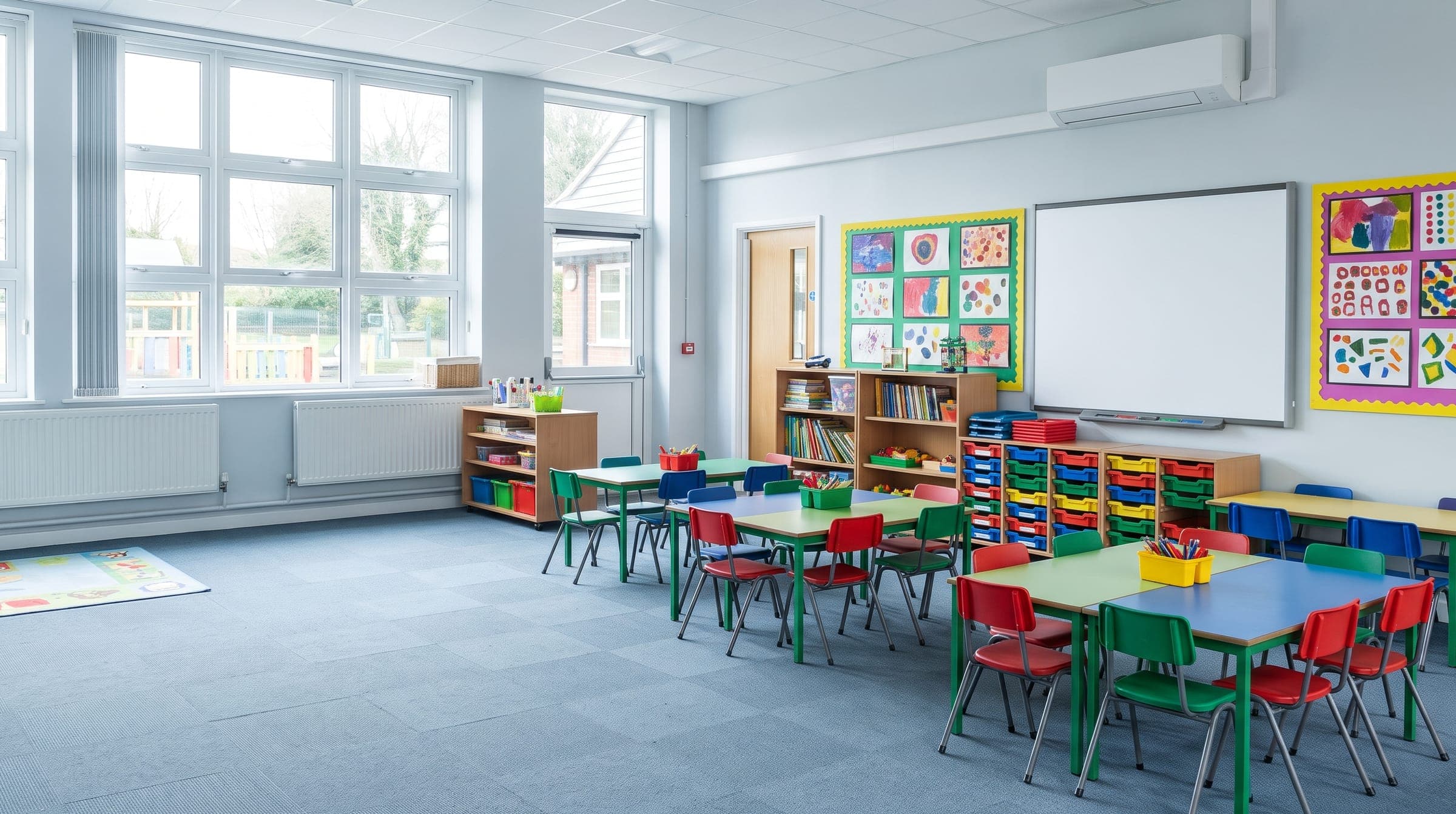
Schools and nurseries
School, classroom and nursery air conditioning in London and the Home Counties: what BB101 says, baby room temperatures, holiday installs and heat pumps.
Read more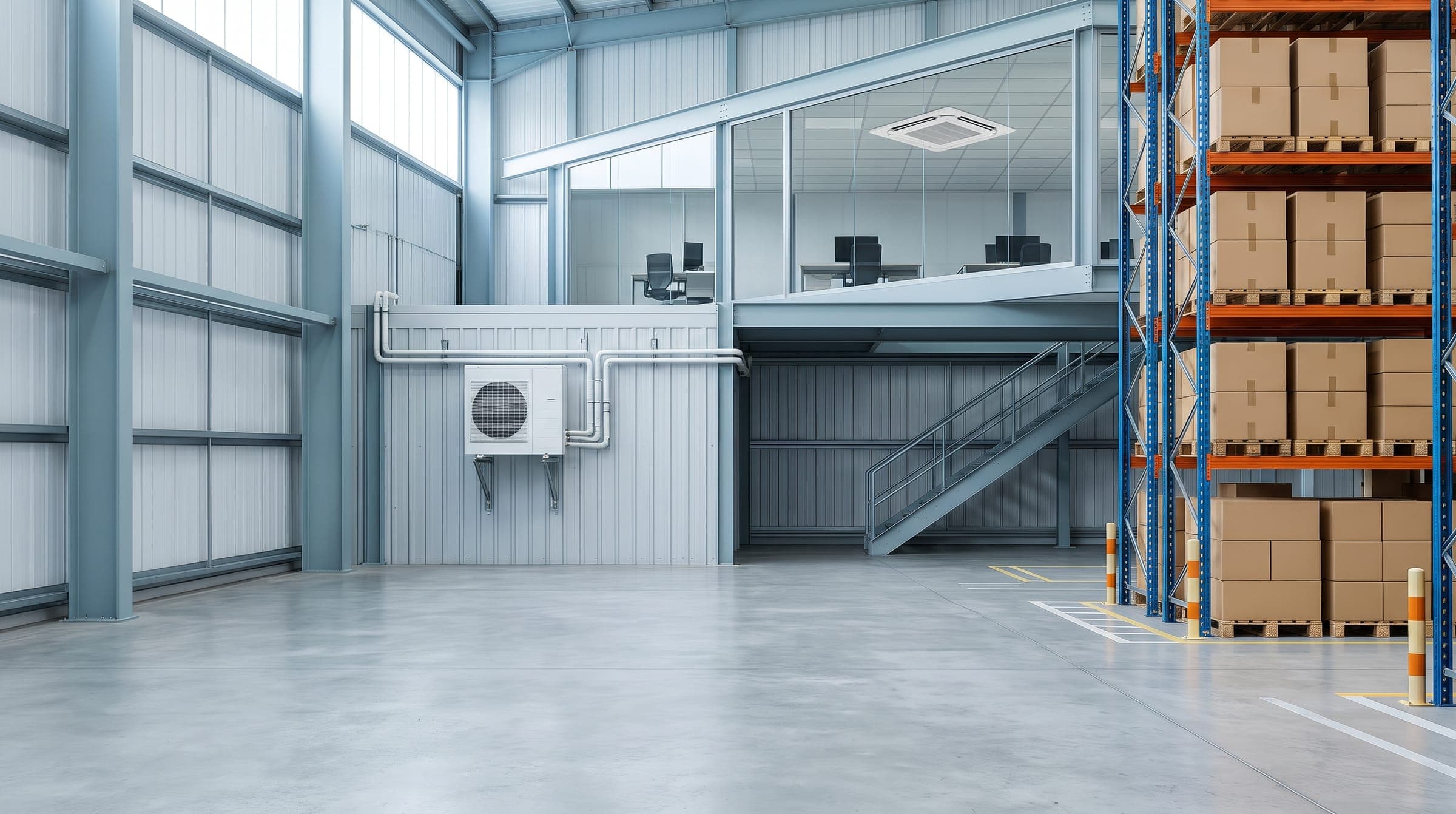
Warehouses and workshops
Warehouse, workshop and factory air conditioning in London and the Home Counties: spot cooling offices, mezzanines and pick areas, F-Gas and TM44.
Read more
Homes: which room, which system
Most home installs are one wall-mounted unit in the room that gets hottest: a south-facing bedroom, a loft conversion, a living room with big glazing or a home office. A 2.5 kW unit suits most bedrooms and studies, 3.5 kW a typical living room, and 5 kW an open-plan space or a loft. The survey confirms the size from the room, the insulation and the glazing, not from floor area alone.
Two or three rooms can share one outdoor unit as a multi-split, which keeps the outside of the house tidy and usually keeps you within the planning limit of one outdoor unit. Every unit we fit is a heat pump, so it heats the room in winter for a fraction of the cost of an electric heater.
- Bedrooms: quiet matters most, so we pick the quietest ranges and site the unit away from the bed
- Loft conversions: the hottest room in the house, often with the easiest pipe route to the outdoor unit
- Flats: usually possible, but the outdoor unit needs a position and the freeholder's consent
- Garden rooms and offices: a small unit heats and cools them all year, with a short pipe run
- Whole homes: multi-split or ducted, planned room by room at the survey
Businesses: offices, shops, restaurants and server rooms
Small offices and shops usually take one or two wall units, fitted in business hours with the minimum of disruption. Bigger floors and shopfitted interiors suit ceiling cassettes in a suspended ceiling, which spread the air evenly and keep the walls clear. Restaurants need the kitchen heat and the dining room treated as two different problems.
Server and comms rooms need cooling that runs continuously and keeps going when it is cold outside, which is a different specification from a comfort system. We size them on the equipment load, not the room size, and recommend a maintenance plan so filters and refrigerant are checked before the summer.
Every commercial install comes with the F-Gas records the law requires, and we can add the quarterly or twice-yearly checks that keep the records current.
Three cases that need extra thought
Flats: the planning rules allow a smaller outdoor unit (0.6 cubic metres) and usually one per block, the lease nearly always needs the freeholder or management company to agree, and the unit has to have a safe place to go: a balcony, a flat roof or ground level by agreement.
Conservation areas and listed buildings: an outdoor unit can't go on a wall facing the road in a conservation area under permitted development, and listed buildings need listed building consent for any fixing. We check the address before the survey and tell you what applies.
New-build estates: many have covenants or management company rules about what can be fixed to the outside of a house in the first years. They are not planning law, but they are enforceable, so we ask you to check the paperwork before we book the install.
Questions about homes and businesses
Can I have air conditioning in a flat?
Usually, yes. You need somewhere for the outdoor unit (a balcony, flat roof or agreed ground position), the freeholder's or management company's consent, and the outdoor unit has to stay within the 0.6 cubic metre planning limit for flats. Our flats page explains each step.
What size unit does my room need?
As a starting point, 2.5 kW for a bedroom or study, 3.5 kW for a living room and 5 kW for open plan or a loft. Glazing, insulation, how many people use the room and what equipment is in it all change the answer, so we confirm it at the free survey. Our sizing guide explains the arithmetic.
Does air conditioning heat as well as cool?
Yes. Every unit we fit is an air-to-air heat pump. In heating mode it delivers about three to four units of heat for each unit of electricity, which is why it costs far less to run than a fan heater or an oil-filled radiator.
Can you fit a shop or office without closing it?
Most single-unit jobs are fitted in a day inside normal business hours, with the indoor work done in one visit. Cassette and multi-unit jobs are planned around your opening times at the survey.
Do you do server rooms?
Yes. We size the cooling on the equipment's heat output, specify units that can run continuously and keep working in winter, and recommend a maintenance plan so the system is checked before the hot months.