Are UK summers getting hotter? What the records show
Yes. The UK's five warmest summers on record have all come since 2003, and summer 2026 is provisionally the warmest since the series began in 1884. But not every summer beats the last: 2024 was the coolest since 2015. Here's what the Met Office, UKHSA and the climate projections actually say, and what it means for your home.
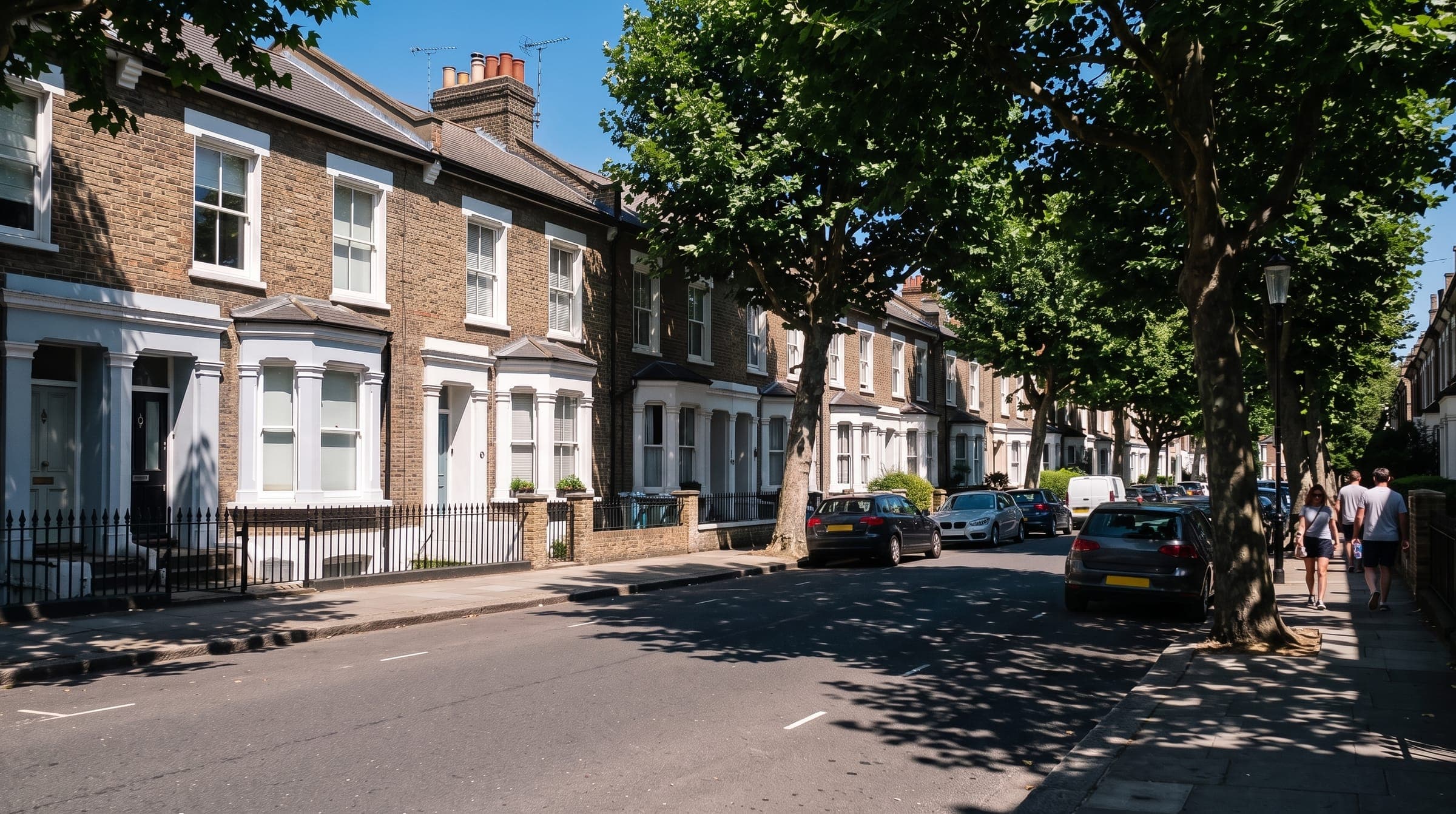
- UK record, Coningsby, 19 July 2022
- 40.3°C
- UK mean, summer 2026, a new record
- 16.5°C
- warmer in 2016–2025 than 1961–1990
- 1.33°C
- heat deaths, England, May–June 2026
- 2,877
The UK's five warmest summers on record
UK mean temperature for June to August, day and night together, in the Met Office series that starts in 1884.
| Rank | Summer | UK mean temperature |
|---|---|---|
| 1 | 2026 (provisional) | 16.5°C |
| 2 | 2025 | 16.1°C |
| 3 | 2018 | 15.7°C |
| 4 | 2006 | 15.7°C |
| 5 | 2003 | 15.7°C |
Met Office, September 2026. The famous summer of 1976 is now seventh.
Summer 2026: a new record
The Met Office provisionally puts summer 2026 at a UK mean of 16.5°C, 1.9°C above the 1991 to 2020 average and 0.4°C above the record set only a year earlier. It's also the warmest on record for average daytime highs, beating 1976. June and July were each the second warmest on record, and England had its driest July on record.
The highest temperature of the summer was 38.2°C at Hartpury College on 13 August, and 54 Met Office stations broke their all-time highest daily temperature. A Met Office attribution study found human-induced climate change made a summer like this around 130 times more likely. In today's climate it's roughly a 1 in 9 year event.
Are UK summers getting hotter every year?
No, and the data doesn't say they are. Weather varies a lot from one summer to the next. Summer 2024 averaged 14.37°C, 0.22°C below the 1991 to 2020 average, and was the coolest since 2015.
The rise shows over decades. The Met Office's State of the UK Climate report, published in July 2026, found that 2016 to 2025 was 1.33°C warmer than 1961 to 1990 and 0.51°C warmer than 1991 to 2020. The UK has warmed by around 0.25°C a decade since the 1980s, and 2025 was its warmest year on record. So expect cooler summers to keep turning up, but hot ones to come round more often.
The day the UK passed 40°C
On 19 July 2022, Coningsby in Lincolnshire reached 40.3°C, the first time the UK had passed 40°C. The Met Office verified it as the national record after quality checks. It beat the previous record of 38.7°C by 1.6°C, and 46 stations met or beat the old record that week.
The Met Office said that in a climate unaffected by human influence, it would be virtually impossible for UK temperatures to reach 40°C. Under a very high emissions scenario, it could happen as often as every three years by the end of the century.
Are UK heatwaves getting worse? Hot days and warm nights
The extremes are rising faster than the averages. Comparing 2016 to 2025 with 1961 to 1990, the State of the UK Climate report found the hottest day of the year has warmed by more than 4.5°C in a band from Kent to Lincolnshire, about three times the change in the annual average.
In Greater London, days above 30°C and nights above 18°C were both more than four times as common over the same comparison. City Hall says London had four official heatwaves in 2025. The government's housing hazard guidance adds that urban heat islands can raise temperatures in large urban areas by as much as 4°C, and that homes that soak up sun by day can stay hot through the night.
Heat-associated deaths in England
UKHSA's heat mortality monitoring estimates deaths linked to hot spells each summer. The numbers move with how hot each summer is, and with how well people are protected.
| Summer | Heat-associated deaths | Notes |
|---|---|---|
| 2022 | 2,985 | The highest UKHSA has reported, the summer of 40.3°C |
| 2023 | 2,295 | From UKHSA's annual reporting |
| 2024 | 1,311 | A cooler summer |
| 2025 | 1,504 | Five heat episodes. UKHSA's model expected 3,039, and it says the heat response may have reduced harm |
| 2026 | 2,877 so far | Interim figure for May and June only. UKHSA expects the full total to be substantially higher |
UKHSA, April and July 2026. Final figures for 2026 are due in early 2027. Significant heat-associated deaths in 2025 were seen in care homes, hospitals and people's own homes.
What the projections say
The Met Office's UK Climate Projections (UKCP18) point to hotter, drier summers. Under a high emission scenario, summers could be up to 5.4°C hotter by 2070, and average summer rainfall could fall by up to 47%. The chance of a summer as hot as 2018 rises to around 50% by 2050.
Those are the top ends of a range, under high emissions. Lower emissions mean less warming, and natural variation means cool, wet summers will still happen. In 2022, the Climate Change Committee warned that increasingly hot summers could treble the health and productivity impacts of heat without more adaptation.
What it means for homes
Excess heat is one of the 21 hazards councils assess under the Housing Health and Safety Rating System, updated in June 2026. Its guidance names the main problems: rooms under uninsulated roofs, poor ventilation at night, strong sun through south-facing glass, and flats in larger buildings, which are more likely to overheat. Noise, fumes and security worries also stop people opening windows after dark.
New homes now have to plan for it. Approved Document O, the overheating part of the Building Regulations, took effect on 15 June 2022 for new residential buildings in England. It aims to limit unwanted solar gain in summer and provide an adequate way to remove heat. It doesn't apply to existing homes, which is where most of us live.
Practical takeaways for your home
Start with the free and cheap measures UKHSA recommends, then think about cooling for the rooms that still overheat.
- Shade sunny windows. External shutters, awnings and roller blinds are the most effective, and closed curtains help
- Open windows when the air outside feels cooler, such as at night, if it's safe to
- Use an electric fan if the air is below 35°C, without aiming it straight at your body
- Check the heating is turned off
- Check on neighbours and relatives aged 65 and over, who are most at risk
- Top-floor flats, loft rooms and sunny bedrooms are the rooms most likely to need more than shading
- If you consider cooling, choose a system that also heats, which is what permitted development requires
When cooling makes sense
The government's guidance puts passive measures first because they're more energy efficient, and we agree. Air conditioning makes sense where they aren't enough: a top-floor flat or loft that stays hot into the night, a south- or west-facing bedroom, or a home where windows can't be left open. Our guide to whether air conditioning is worth it walks through the decision, and our bedroom guide covers the free fixes in detail.
Hotter summers: questions
Are UK summers getting hotter every year?
No. Summers vary: 2024 was slightly below the 1991 to 2020 average and the coolest since 2015. But the trend over decades is clearly up. 2016 to 2025 was 1.33°C warmer than 1961 to 1990, and the five warmest UK summers on record have all been since 2003.
Was summer 2026 the hottest on record in the UK?
Provisionally, yes. The Met Office puts the UK mean at 16.5°C, beating 2025's 16.1°C, in a series that starts in 1884. It was also the warmest on record for average daytime highs. The figures are provisional until finalised.
What is the hottest temperature ever recorded in the UK?
40.3°C at Coningsby, Lincolnshire, on 19 July 2022, verified by the Met Office. The previous record was 38.7°C. The hottest day of summer 2026 reached 38.2°C at Hartpury College on 13 August.
Are UK heatwaves getting worse?
Hot extremes are rising faster than the average. The average hottest day of the year has warmed by more than 4.5°C from Kent to Lincolnshire, comparing 2016 to 2025 with 1961 to 1990. In Greater London, days above 30°C and nights above 18°C are more than four times as common.
Will UK summers keep getting hotter?
The Met Office's UKCP18 projections say summers are likely to get hotter and drier, by up to 5.4°C by 2070 under a high emission scenario. How much depends on global emissions. Cooler summers will still happen in between.
Why is London hotter than the countryside?
Buildings, roads and paving absorb sun by day and give the heat back slowly, and there's less greenery to cool the air. The government's housing hazard guidance says urban heat islands can raise temperatures in large urban areas by as much as 4°C.